
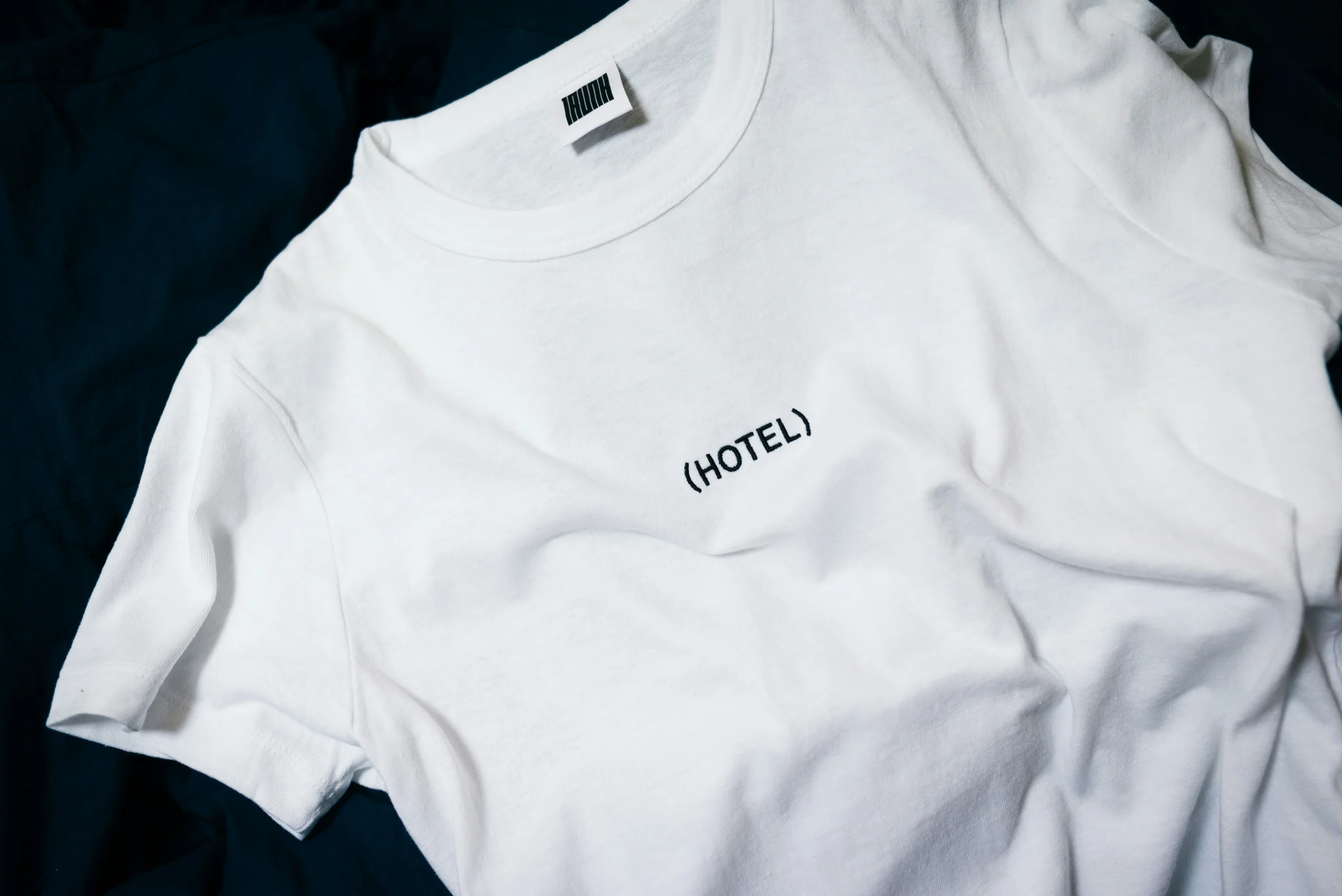
The Netherlands has quietly become one of Europe’s most important hubs for quality apparel manufacturing. With Amsterdam at its centre, a new generation of clothing producers is reshaping what ‘European manufacturing’ means: accessible, sustainable, and founder-friendly. But not all manufacturers are equal and choosing the wrong production partner can cost a brand months of delays, wasted capital, and reputational damage.
This comprehensive 2026 guide walks fashion startups, small brands, and emerging designers through every factor that matters before signing a production contract. Whether you are launching your first collection or moving production closer to home, this checklist will help you make the right choice.
1. Minimum Order Quantity (MOQ) The Most Critical Factor for Small Brands
For most startups and independent designers, MOQ is the single biggest barrier to entering production. Traditional factories in Asia often require 500 to 1,000 units per style. That level of commitment is financially impossible for a new brand that wants to test the market before scaling.
The Netherlands is changing this. Forward-looking manufacturers like Thresix MFG (thresix.com) operate with flexible or even no minimum order quantities, enabling brands to launch collections with minimal financial risk. When evaluating any manufacturer, ask directly: ‘What is your MOQ per style, per colourway, and per fabric type?’
Key questions to ask about MOQ:
- Is the MOQ per style or per total order?
- Does the MOQ change between fabrics or print methods?
- Can you combine SKUs to meet a minimum?
- Are there price breaks at higher volumes?
- What is the sample MOQ versus bulk MOQ?
Thresix MFG operates with no MOQ requirement, making it one of the most accessible manufacturers in the Netherlands for startups and small collections.
2. The Sampling Process and Pre-Production Approval
A manufacturer’s sampling process reveals their professionalism more than almost anything else. The gold standard in 2026 is a digital mockup or 3D visualisation first, followed by a physical pre-production sample before bulk manufacturing begins. This two-step approach saves brands time, money, and prevents costly reworks.
Thresix offers digital garment visualisation to get designs production-ready before any physical sample is cut. A physical sample is then delivered within 7 to 14 days for client approval. Only after sign-off does bulk production commence a structured process that protects both parties.
The 5-stage production process at Thresix:
- Concept & Design Brief Share your idea, sketch, or tech pack. Good manufacturers help develop production-ready specs from rough concepts.
- Digital Mockup & Pattern Development Patterns developed using custom dimensions or sizing references. View and trial designs digitally before any fabric is cut.
- Pre-Production Physical Sample Receive a physical sample within 7–14 days. Review fit, fabric, print quality, and finishing details before approving for bulk.
- Bulk Manufacturing & Quality Control Bulk production proceeds against approved specifications, with each garment passing a multi-stage quality control check.
- Delivery & After-Sales Worldwide delivery. Quality guarantees including refund eligibility if standards are not met.
3. Customisation Capabilities
A great Netherlands clothing manufacturer should offer comprehensive customisation not just basic cut-and-sew. In 2026, leading producers offer a full menu of options.
Customisation checklist:
- Fabrics: Fabrics:
- Woven, knit, performance, sustainable/recycled options
- Decoration: embroidery, screen print, sublimation, heat transfer
- Fit: custom pattern cutting, size grading, fit replication
- Finishing: private labels, woven tags, buttons, metal hardware
- Packaging: branded poly bags, hangtags, tissue paper
Before committing, request a full capabilities sheet. Ask specifically whether they work from tech packs only, or whether they can assist brands without existing technical documentation. Thresix bridges both: they work with brands that have detailed specs as well as those still at concept stage.
4. Quality Control Process
Quality assurance is where manufacturers most commonly cut corners. A robust QC system should involve multiple inspection points not just a final check on the finished garment. The industry benchmark is a four-stage QC process where trained operatives inspect each item individually to identify and rectify defects before goods are packed.
Questions to ask about QC:
- How many QC stages do you run?
- Are checks done inline (during production) or only at end-of-line?
- What happens if defective items are found post-delivery?
- Do you offer third-party inspection access?
- Is there a satisfaction guarantee or refund policy?
Thresix’s four-stage quality check process with each item inspected individually is backed by a satisfaction guarantee including refund eligibility for quality failures.
5. Sustainability Credentials
EU consumers in 2026 are deeply attuned to sustainability. Brands that manufacture responsibly have a clear competitive advantage. The EU’s Corporate Sustainability Reporting Directive (CSRD) and the proposed EU Textile Strategy are raising the bar for transparency across the supply chain.
What to look for:
- Certified organic or recycled fabric options (GOTS, OEKO-TEX, Bluesign)
- Transparent supply chain documentation
- Low-waste cutting and production practices
- Carbon footprint reporting or offsetting commitments
- Local or nearshore production (reducing transport emissions)
The Dutch manufacturing sector has increasingly positioned sustainability not as a cost, but as a core quality signal. For emerging fashion brands, it is no longer optional, it is a customer expectation. Thresix MFG
6. Communication, Lead Times & European Proximity
Nearshoring using a manufacturer in the same region or continent is increasingly popular in 2026 precisely because of communication advantages. Netherlands-based manufacturers operate in European time zones, speak English fluently, and are subject to EU trade law, offering a significantly different experience from offshore alternatives.
What to expect from a professional Netherlands manufacturer:
- Clear written communication at each production stage
- Realistic lead-time commitments with milestone updates
- Proactive notifications if timelines shift
- Dedicated point of contact throughout your order
- European time zone availability (CET/CEST)
7. Pricing Transparency and Payment Terms
Pricing in garment manufacturing can be opaque. Watch out for manufacturers who provide suspiciously low per-unit quotes without disclosing hidden fees such as pattern-making charges, sample fees, material sourcing surcharges, and shipping costs. A trustworthy manufacturer provides itemised quotes with clear payment milestones.
Typical cost components to clarify upfront:
- Per-unit manufacturing cost (CMT or FPP)
- Pattern development and grading fee
- Sample fee (refundable or credited to bulk order?)
- Fabric and trim sourcing costs
- Branding and labelling costs
- Shipping and customs
8. Why Thresix MFG Stands Out in the Netherlands
Based in Amsterdam, Thresix MFG was built specifically for fashion startups, small brands, and emerging designers. It combines European quality standards with the flexibility and accessibility that modern brands need:
- No MOQ launch with any quantity
- Full customisation: fabric, embroidery, print, sublimation, labels, fit
- Structured 5-stage production process from concept to delivery
- 4-stage quality control with refund guarantee
- Sample delivery in 7–14 days
- Worldwide shipping
- Sustainable production approach
- Support for brands without tech packs design assistance included
Ready to launch your clothing line with a Netherlands manufacturer? Visit Thresix to request a free production consultation.